Updated April 2026
Victoria, MN Comparable Sales: How to Understand What Your Home May Be Worth
Comparable sales are most useful when they help answer a practical question: which recently sold homes would a buyer have realistically measured against yours in Victoria? In this market, that often comes down to neighborhood identity, lake influence, trail access, school convenience, lot function, and whether a home feels tied to downtown Victoria, Stieger Lake, Lake Bavaria, or one of the newer neighborhood pockets spreading out from town.

What comparable sales are really helping you figure out
Most homeowners are not just trying to see what sold nearby. They are trying to understand what a buyer would have considered interchangeable with their own home. That is an important shift. A nearby sale may be interesting without being all that useful if it pulls a different buyer because of location, lot feel, or neighborhood character.
The buyer’s shortlist matters more than the map
A sold home becomes more valuable as a comparison when it would have lived on the same shortlist as your home. That is why comparable sales are not just about radius. They are also about the kind of decision a buyer was making.
Victoria homes can separate by lifestyle fast
Some buyers want an in-town feel with easier access to downtown Victoria and the lake area. Others care more about newer construction, quieter edge neighborhoods, or direct trail access near places like Madelyn Creek Park or the Lake Minnetonka Regional Trail.
How to read comparable sales more clearly in Victoria
The best process is usually more selective than most homeowners expect. Instead of collecting every nearby sold home, the goal is to narrow down the sales that share your home’s buyer profile, neighborhood feel, and practical appeal.
Start with sold homes inside the same lifestyle pocket
Begin with recent sold homes that sit in a similar part of Victoria and offer a similar day-to-day experience. In-town homes, lake-area homes, and newer neighborhood homes do not always compete the same way.
Pay attention to neighborhood age and feel
Victoria often blends older established areas with newer development pockets. A home in Watermark, Lakebridge, or Rhapsody may need a different set of sales than a home closer to downtown Victoria or a lake-oriented street.
Use school and routine anchors as context
For many families, practical routes matter. Homes tied more directly to Victoria Elementary on Red Fox Drive or to the flow of County Road 11, Highway 5, and surrounding neighborhood connections may be compared differently than homes where lake proximity or downtown access dominates the story.
Compare lot function, not just lot size
In Victoria, buyers often react to yard usability, privacy, backing views, pond adjacency, and how the outdoor space feels in real life. A similar lot size on paper does not always mean a similar buyer reaction.
Separate updated homes from homes that still feel like projects
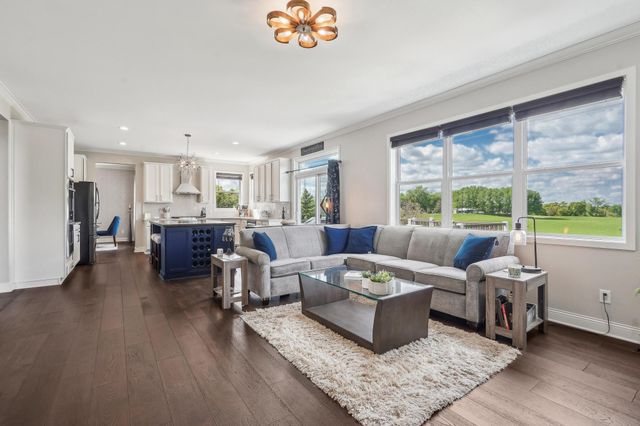
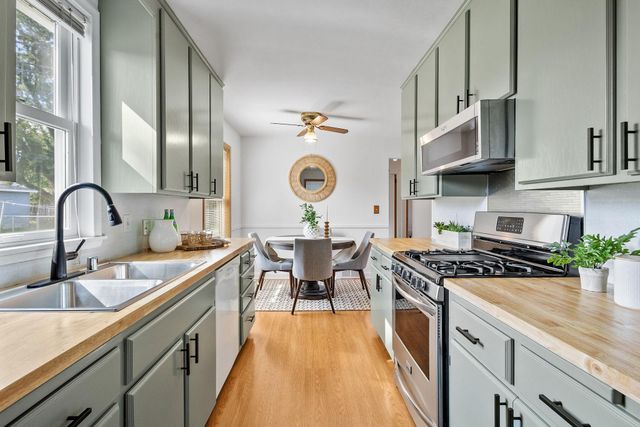
Finish level can move value quickly. Kitchens, baths, flooring, windows, roof condition, and overall presentation often matter more than homeowners expect when buyers are comparing several usable options at once.
Let the cluster of sales guide the range
One sale rarely tells the whole story. A better answer usually comes from a smaller group of relevant sold homes that starts to point toward a realistic range your home fits within.
The Victoria details that can change which sold homes actually matter
This is where many online estimates lose accuracy. The smaller local details are often what make one sold home far more helpful than another.
Downtown and lake-side identity
Homes closer to downtown Victoria, Stieger Lake, or Lake Bavaria can carry a different kind of buyer interest than homes farther out, even when the homes themselves look similar online.
Trail and park access
Connections near Kirke Lachen Park, Madelyn Creek Park, and the Lake Minnetonka Regional Trail can shape daily use in a way buyers genuinely notice, especially in neighborhoods built around walkability and recreation.
Neighborhood-specific expectations
Newer neighborhoods often get judged by layout efficiency, finishes, and lot backing, while older parts of Victoria may get more attention for charm, setting, and how close they sit to local landmarks and community activity.
School and routine convenience
School names do not create a price by themselves, but they do influence how many families sort their options. In Victoria, the pull of Victoria Elementary and the routes that connect neighborhoods back to school and downtown can change which homes buyers view as realistic alternatives.
Water influence without direct lake frontage
Buyers often respond to lake-area setting even when the home is not directly on the water. That can show up through neighborhood feel, nearby paths, views, and the broader identity of being closer to Stieger Lake or Lake Bavaria.
Why Victoria comparable sales need a different read than Orono or Mound
Victoria usually sits in a different value conversation than Orono, and it also behaves differently than Mound. It has more blending between newer neighborhood development, downtown access, parks, trails, and lake-adjacent lifestyle. That makes the comparison process less about estate-property logic and less about narrow lake-pocket variation, and more about how buyers sort the balance between location, convenience, and neighborhood feel.
Victoria often rewards usability
Buyers here are often measuring how the home works in everyday life. That includes floor plan flow, neighborhood connection, outdoor use, and how easy the home feels to step into without a long list of projects.
Newer neighborhoods can distort assumptions
A newer home is not always the stronger comp just because it is newer. Sometimes the right comparison is the home that matches buyer expectations more closely, even if the build year is different.
Lake proximity is part of the story, not always the whole story
Some Victoria buyers care a lot about being closer to the lake area and downtown. Others are more focused on lot shape, interior finish, or neighborhood layout. The strongest sales reflect that balance.
Trail-connected neighborhoods can compete differently
Areas tied into the city trail network and regional trails can feel more livable to some buyers, which means those homes may need to be compared within a more specific set of alternatives.
Hyperlocal examples usually sharpen the estimate
A home near Victoria downtown, Kelzer Pond, Lakebridge, or Watermark may need to be read differently than a home closer to the city edge, Bavaria Road, or a separate trail-connected pocket. The map can look close while the buyer experience still changes quite a bit.
Where homeowners usually begin and what tends to improve the answer
Most homeowners start with public search sites, and that is completely normal. The next step is deciding when the list of nearby sold homes needs more filtering.
Public home search sites
Useful for seeing recent sold homes and rough price bands. Less useful when Victoria-specific context is what separates one sale from another.
Public records
Helpful for confirming lot size, sale date, and sold price. Less useful for showing finish level, presentation, or how a buyer likely experienced the home.
Agent-prepared CMA
Usually the strongest next step because it can remove weaker matches and explain why a few sold homes deserve more weight than the rest.
Helpful if you want a related local value conversation
This Mound and Victoria CMA page adds more context around how pricing and comparison work when a homeowner is preparing to sell.
The mistakes that usually push Victoria homeowners off track
Most value confusion comes from giving too much attention to the wrong sale or assuming every nearby home belongs in the same comparison set.
Comparing by numbers instead of neighborhood feel
Bed count, bath count, and square footage help, but they do not tell you whether a buyer would have truly crossed shopped the homes.
Treating all Victoria neighborhoods the same
Downtown-adjacent homes, newer neighborhood homes, and lake-influenced homes do not always sit in the same decision set for buyers.
Using active listings as the answer
Active listings show ambition, not agreement. They can help with current competition, but they do not replace sold homes.
Overreacting to one standout sale
One strong result can be real without being repeatable. A better estimate usually comes from where several relevant sold homes start to group together.
How comparable sales help answer what your home may be worth
Comparable sales are best used to narrow the likely range and then place your home inside that range based on setting, condition, updates, neighborhood feel, and how buyers would compare it against the homes they actually had available.
If you are thinking about selling in the near future
The right sold homes can help you understand where pricing discipline matters and which strengths buyers are likely to notice first.
If you are planning further ahead
Comparable sales can still be useful well before a move because they help frame renovation choices, timing, and the larger question of where your home fits in the current Victoria market.