Mound + Victoria listing strategy
Updated January 2026
Sell Your Home in Mound or Victoria With a Smart CMA and a Strong Listing Agent
Most sellers do not lose money because of the market. They lose money because the price was set without a real CMA (comparative market analysis), the home was positioned for the wrong buyer, or the negotiation got chipped away after accepting an offer. This page explains what a CMA actually is, how pricing works locally, and what a strong listing strategy does to protect your net and timeline.
No inflated pricing to “win the listing.” No pressure. Just clear strategy, clean execution, and steady communication.
Pricing foundation
CMA
Real comps, real adjustments, and a pricing plan that fits your goals and risk tolerance.
Local context
Matters
Neighborhood pockets and buyer behavior that can change what “works” week to week.
Seller net
Protected
Terms and negotiation through inspection, appraisal, and closing so you do not get chipped away.
Pricing without guesswork
What a CMA is (and what it is not)
A CMA is a comparative market analysis. It compares your home to similar homes that have sold, are active, or did not sell, then adjusts for the things buyers pay for in real life. The outcome should be a pricing range and a plan, not a single number.
A strong CMA is part data, part judgment
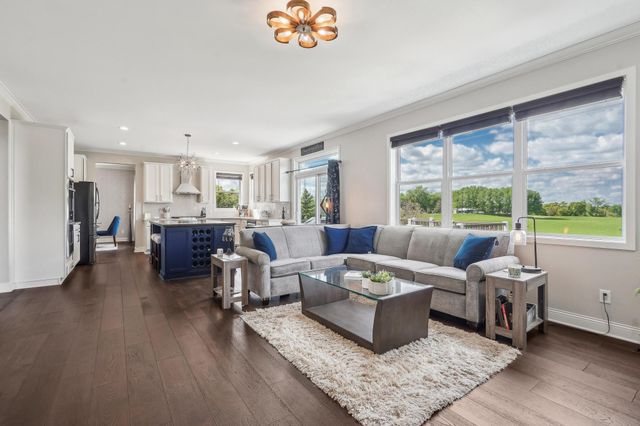
Automated estimates miss what buyers see immediately: layout flow, natural light, street feel, and whether the home reads move-in ready or project.
A practical CMA does three things: picks the correct comps, adjusts them correctly, and turns the range into a strategy based on current competition and your timeline.
- Closed sales show what buyers actually paid.
- Active listings show what you compete against right now.
- Expired and canceled listings show what buyers rejected.
- Adjustments account for condition, updates, layout, lot, and micro-location.
You should be able to see the comps and understand why the range is what it is.
Mound sellers
Why pricing in Mound can change street by street
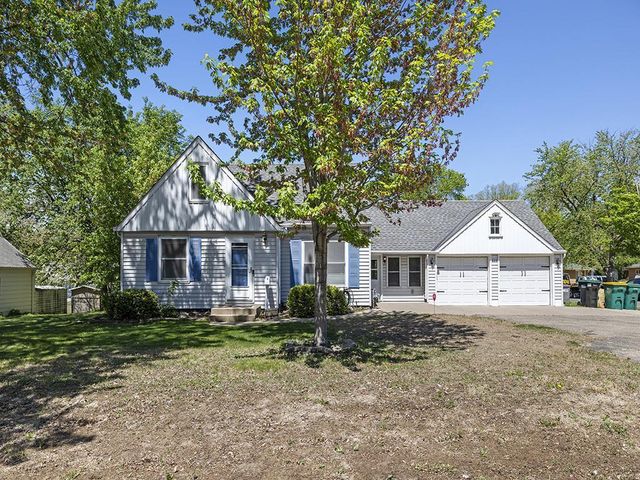
In Mound, buyer perception is shaped by micro-location and lifestyle practicality. Two houses with similar stats can perform very differently based on street feel, lot usability, and how the home shows compared to what buyers toured that weekend.
What we pressure-test before setting price
We align comps with the real buyer pool for your pocket of Mound. That means we look beyond square footage and focus on what buyers consistently respond to in-person.
- Street feel (traffic patterns, noise, winter drivability)
- Lot and outdoor usability (privacy, slope, yard function, storage)
- Condition and finish level compared to active listings
- Layout flow (what feels open vs. chopped up on a showing)
- “Hidden negatives” that online buyers do not notice until they arrive
Translation: the list price should match how buyers will experience the home, not just what a spreadsheet says.
Common pricing mistakes that cost sellers money
The most expensive mistake is overpricing early because “someone will pay it.” That often kills momentum, weakens later offers, and increases inspection and appraisal friction.
The second mistake is using the wrong comps. A “nearby” sale can represent a different buyer experience in real life.
The fix is straightforward: correct comps, correct adjustments, and a plan for buyer response in the first 7 to 10 days.
Victoria sellers
Why Victoria strategy depends on neighborhood pocket and supply
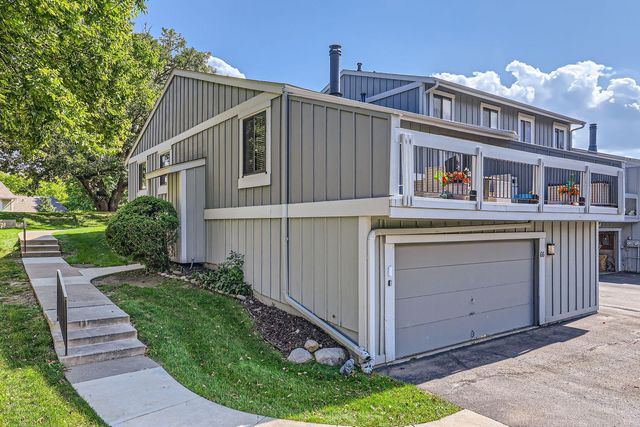
In Victoria, the best pricing strategy depends on which buyer profile your home attracts and what inventory is competing with you right now. The CMA has to match your home to the correct competition, not just the nearest sales.
What we factor into a Victoria CMA
We identify the buyer profile your home is most likely to attract, then choose comps that reflect that reality. That keeps pricing grounded and reduces surprises once you launch.
- Neighborhood pocket and the type of buyer it typically pulls
- Finish level and layout compared to active competition
- How nearby new construction (if applicable) affects expectations
- Lot setting, privacy, and outdoor usability
- Risk of appraisal issues if pricing is pushed beyond comp support
You get a clear range and the “why” behind it, so decisions feel simple.
Execution
What happens after the CMA
Pricing is step one. Most sellers lose money after accepting an offer, when inspection, appraisal, and timeline pressure starts to chip away at terms.
Small moves, big impact
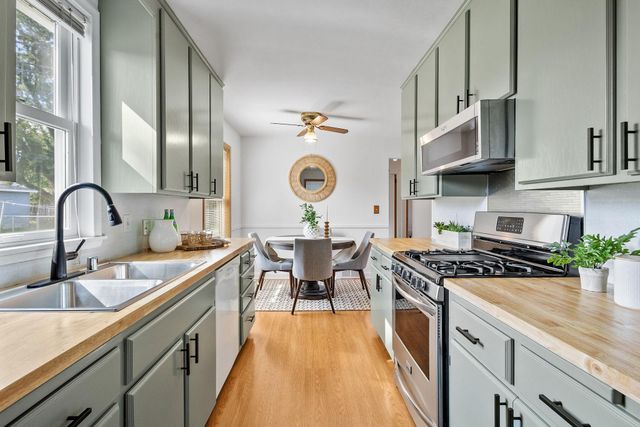
Focus on the items that change buyer perception fast: clean presentation, minor repairs, paint touchups, lighting, and obvious maintenance. The goal is fewer buyer objections and fewer negotiation points later.
Compete against what buyers see
Your photos, description, and showing plan should be built around what buyers are comparing you to in the same weekend. That is how you earn stronger offers and cleaner terms.
Protect the win
Strong negotiation is not just price. It is inspection strategy, appraisal planning, timeline control, and knowing when to hold firm so the deal does not get chipped away.
Simple process
How to request a CMA
You do not need to “get the house ready” before talking. The purpose of a CMA is to create clarity so you can decide what to do next.
Step 1: Quick context
Share your address, your timing, and any major updates you know (roof age, mechanicals, kitchen, baths). If there is something unique, we note it early.
Step 2: CMA build
We pull comps that match your neighborhood pocket, then adjust for condition, layout, and what buyers are rewarding right now.
Step 3: Pricing and plan
You get a clear range, a recommended list strategy, and a short prep plan focused on ROI and deal strength.
Want a CMA and a clear selling plan for Mound or Victoria?
Use the contact form right below this section. Share your address and your rough timing. We will follow up with a clear next step and a realistic plan for pricing, prep, marketing, and negotiation.