Updated February 2026
How to Choose Between New Construction and Existing Homes in the Lake Minnetonka Area
If you are planning to live around Lake Minnetonka, the choice between building new and buying an existing home is not just about age. It is about neighborhood character, lot supply, lifestyle patterns, school boundaries, commute routes, and long term value. This guide walks through the real tradeoffs so you can decide clearly.

Clear Definitions: What “New” and “Existing” Mean Around the Lake
New construction typically means either a newly developed neighborhood in cities with available land, or rebuilding on an older lot inside an established neighborhood.
Infill means building a new home on a vacant lot within a developed neighborhood, or replacing an older house with a new one on the same lot.
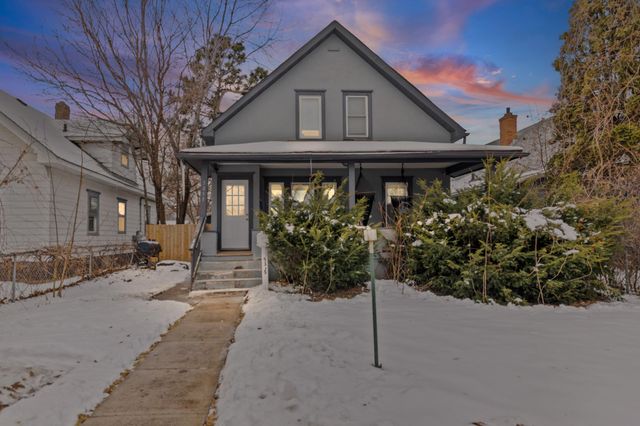
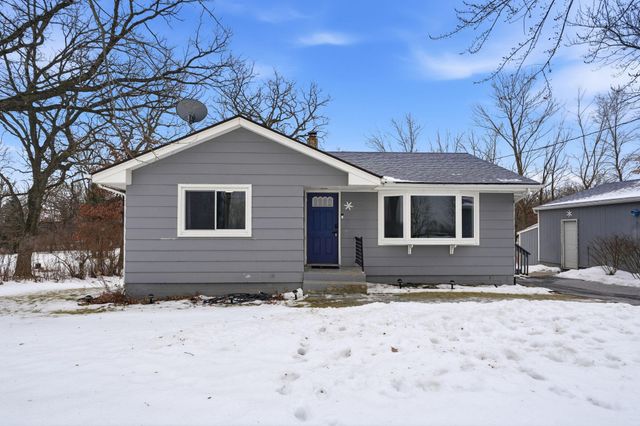
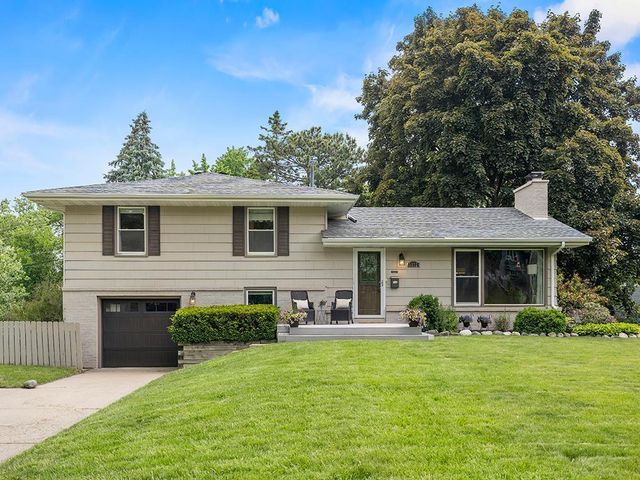
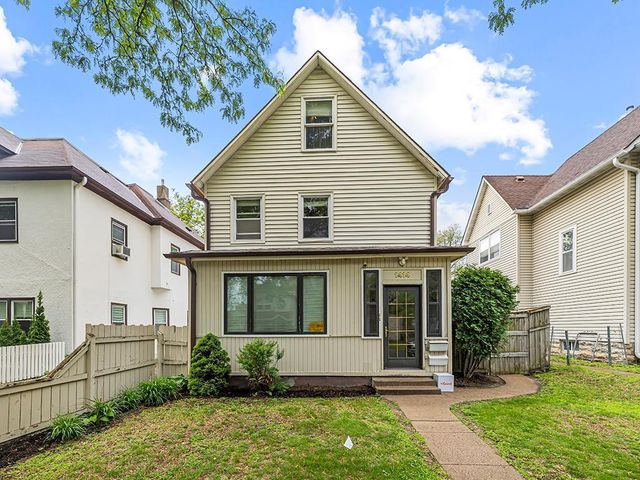
Existing homes range from older lake cottages in Mound to mid century neighborhoods in Minnetonka to renovated properties near Excelsior and Shorewood.
Local Housing Snapshot: Orientation by City
| City | Common Price Bands | New Construction Pattern | Typical Existing Profile |
|---|---|---|---|
| Wayzata | $900K to $2M+ | Mostly rebuilds on premium lots | Older homes with strong renovation activity |
| Orono | $800K to $1.5M+ | Custom builds and selective infill | Larger lots with mixed housing decades |
| Excelsior | $500K to $1.2M | Limited land for new builds | Character homes near downtown |
| Victoria | $450K to $900K | Stronger new neighborhood supply | Many homes built 2000 and newer, with established pockets mixed in |
| Minnetrista | $500K to $950K | Higher new construction volume | Newer subdivisions plus rural edge lots |
| Mound | $350K to $750K | Moderate infill and selective rebuilds | Older cottages with varied condition |
In western lake cities, you will usually see more lot availability. On the east and north shores, land scarcity tends to push higher price points and more teardown activity.
A Practical Way to Narrow Cities by School District
City names and school districts do not always align cleanly around Lake Minnetonka. An address may fall into a different district than buyers assume.
North and East Lake Patterns
- Wayzata School District often serves Wayzata and nearby north and east lake communities
- Minnetonka School District serves Minnetonka, Shorewood, Deephaven, Greenwood, Excelsior, Tonka Bay, and parts of Victoria
- Orono School District serves Orono and Long Lake area addresses
West and Southwest Lake Patterns
- Westonka serves Mound and much of Minnetrista
- Eastern Carver County serves portions of Victoria and the southwest metro edge
- Boundaries vary by neighborhood and should always be confirmed by address
Resale Pressure Test: What Holds Value Here
In the Lake Minnetonka area, location and lot usually influence long term value more than the age of the home.
- In land constrained pockets, lot quality carries strong weight
- In subdivision heavy areas, competing inventory influences resale timing
- For lifestyle buyers, proximity to routines often outweighs interior finish level
If you are thinking about resale positioning, this related guide explains how pricing strategy shifts between communities: pricing strategy differences between lake communities.