Renovate or Sell? How to Decide Without Regret | Norman Homes

[Updated January 2026]Renovate or Sell? How to Decide Without Regret

If you’re feeling cramped, tired of your layout, or wishing your home “worked better,” you’re not alone. The hard part is deciding whether you should invest in the house you have or sell and move on.

This isn’t a “renovate is always best” article, and it’s not a “moving solves everything” pitch either. It’s a practical decision guide built around six real-life factors: location, fixability, cost, ROI, timeline, and stress. (In the Twin Cities, we see all six play out constantly.)

TLDR
Renovate when: You love the location, the “bones” are right, and the project improves daily life without forcing a huge lifestyle disruption.
Sell when: The home can’t become what you need (layout, lot, schools, commute), or the renovation cost/stress doesn’t match the payoff.
Best next step: Run the numbers like a net sheet. Then sanity-check the stress and timeline before you commit.

Who this is for

  • You’re considering a remodel larger than paint and décor.
  • You’d move, but you’re not sure it’s “worth it.”
  • You want to make a decision you won’t resent later.

Who this isn’t for

  • You already know you’re moving in the next 6–12 months.
  • Your only plan is a full gut remodel with no budget limits.
  • You want a one-line answer without looking at tradeoffs.

Helpful companion reads: Twin Cities home selling process and how to estimate what your home is worth.

The 6 factors that tell you whether to stay or go

You don’t need perfect certainty. You need enough clarity to make a decision you can stand behind. These six factors cover the real reasons people end up happy (or frustrated) after choosing to renovate or sell.

1) Location

Do you actually want to stay in this area, with this commute, this routine, these neighbors, and these daily errands?

2) Can you fix it?

Some homes remodel beautifully. Others fight you with structure, flow, ceiling heights, or an unfixable “feel.”

3) Cost

Selling has transaction costs. Renovating has budget creep. The right question is which cost you can live with.

4) ROI

ROI is dollars and quality of life. “Worth it” isn’t always resale. Sometimes it’s daily ease for 5+ years.

5) Time horizon

How long will you stay after the work is done? A 2-year plan is different than a 10-year plan.

6) Stress tolerance

Living in construction can be brutal. Your ability to handle disruption matters as much as the budget.

Deep dives that make the decision clearer

Location: love it or tolerate it?

Location isn’t just “the map.” It’s your weekly life. If you’re constantly annoyed by the commute, the drive to everything, the lack of sidewalks, or the distance from friends and family, no kitchen remodel fixes that.

A strong “stay” signal is when you can say: “Even if we moved, we’d want to end up in the same area.” A strong “go” signal is when you find yourself browsing other neighborhoods for reasons that have nothing to do with your house itself.

Can you fix it: layout problems vs finish problems

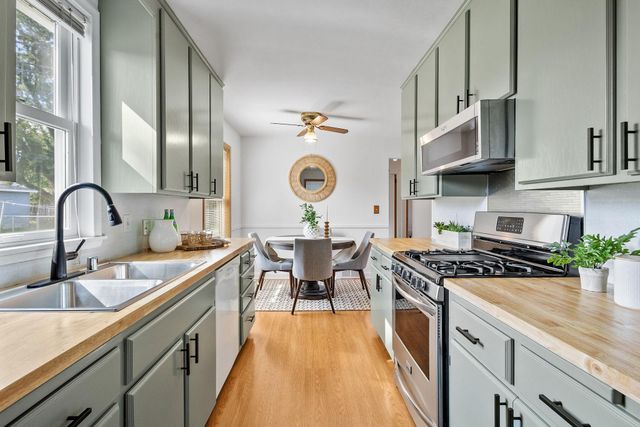
Finish problems are usually solvable: worn flooring, dated counters, old paint, tired lighting, too much clutter. Layout problems are trickier: a choppy main level, no mudroom entry, bedrooms that don’t work for your family, a kitchen that can’t open up, or a home that feels dark even with updates.

A simple test: if you spent real money (say, a meaningful remodel), would you still have to “explain” the house to yourself and your guests? If yes, you may be forcing a home to become something it can’t realistically be.

Cost: compare “all-in move” to “all-in remodel”

Most people underestimate one of these two buckets: they underestimate selling costs and moving friction, or they underestimate renovation creep and the cost of temporary living.

  • Moving costs to consider: agent compensation, seller closing costs, repairs/prep, staging/media, movers, overlap, and buying-side closing costs.
  • Renovation costs to consider: labor/material increases, permits, surprises behind walls, temporary kitchens, short-term rentals, and time off work.

If you want a “smart prep, not endless projects” approach before selling, this is a great reference: Twin Cities home selling prep guide.

ROI: dollars vs quality of life

Some projects are mostly lifestyle ROI: a functional mudroom, a better primary bath, a kitchen that finally flows, finishing a basement so teens have space. Others are closer to resale ROI: fresh paint, lighting, flooring, and “make it feel clean and current” improvements.

The mistake is chasing ROI like it’s a stock portfolio. Your home is also where you live. A project can be “worth it” even if it doesn’t return every dollar, if it buys you daily calm and avoids an expensive move.

Time horizon: how long will you stay after the dust settles?

Time changes everything. If you’re planning to stay a long time, you can prioritize function and comfort. If you’re planning to sell soon, you typically want lower-risk, high-visibility improvements.

  • Short stay (0–3 years): avoid major layout changes unless they solve a deal-killing issue.
  • Medium stay (3–7 years): choose projects that improve daily life and keep resale logic intact.
  • Long stay (7+ years): it’s reasonable to design for your life, not for a hypothetical buyer.

Stress: the part people regret ignoring

Renovation stress is real. Noise, dust, decision fatigue, and living without parts of your home can strain relationships and routines. Even “well-managed” projects usually take longer than you want.

A practical rule: if you have young kids, remote work, pets, or limited flexibility, you should assume a higher disruption cost. Your stress tolerance isn’t a personality flaw. It’s a planning input.

If you’re stuck, the fastest clarity often comes from comparing two clean scenarios side-by-side: a realistic renovation plan vs a realistic move plan.

Sell vs renovate calculator

Use this as a planning tool. It won’t replace a contractor bid or a true net sheet, but it will give you a clean “directional” comparison.

Scenario A: Renovate and stay

Estimate your real cash outlay and the “quality of life” payoff.

Estimated renovation all-in

$0

Includes buffer + temp housing.

Scenario B: Sell and move

Estimate net proceeds and what you’d need to bring to a new purchase.

Estimated net proceeds from sale

$0

Estimated cash needed for purchase: $0

Estimated new payment (P&I only): $0

Want the “real” version of these numbers?

If you share your address and a rough renovation idea, we can help you think through the costs, timing, and potential impact so you can decide whether selling or staying makes more sense.

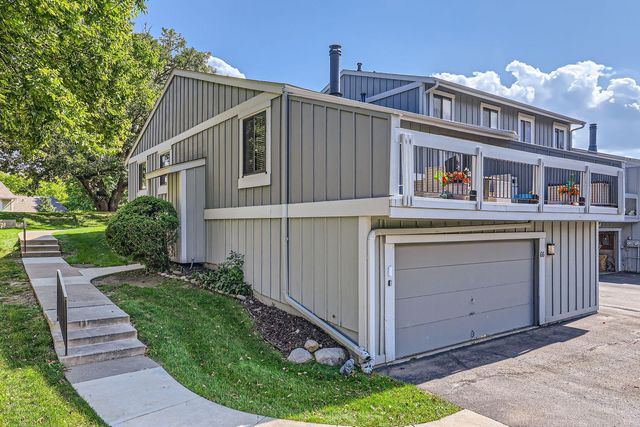
“CJ and Katy Norman listed my renovated townhome and had it sold within the first week, and it couldn’t have gone better.”

— Cameron M. (Google Review)

Next step

The right decision is the one that matches your life, your finances, and your tolerance for disruption. If you’re torn, we’ll help you get clarity fast by building two clean plans: “Renovate and stay” vs “Sell and move.”

The contact form is just below. Reach out with your scenario and we'll be in touch.
Let's Connect!

Fill out this form and we'll be in touch.

150+
5-Star Reviews
16+
Years Experience
$100M+
Volume Sold

Featured properties.

See all listings

Have Questions?

Should I renovate my kitchen or sell my house as-is?+

Renovate the kitchen only if the upgrade will make your home easier to live in for several years or it fixes a clear buyer objection without over-improving your neighborhood.

CJ and Katy Norman can help you decide whether your kitchen is “dated but fine” or “a deal-killer,” and what level of update is actually worth doing.

How do I decide if my home’s layout problems can be fixed with remodeling?+

Layout problems are “fixable” when the change is structural and realistic (walls, circulation, entry, kitchen flow) without creating an awkward result elsewhere.

CJ & Katy Norman can walk through your floor plan and tell you whether buyers will feel the improvement or still feel the same limitations.

What’s the biggest sign I should sell instead of renovate?+

You should sell when the main pain point is location or lifestyle, because no renovation changes commute, lot, neighborhood, or daily routine.

CJ Norman can help you separate “house problems” from “life problems” so you don’t spend a big budget and still feel stuck.

How much “buffer” should I add to a renovation budget for surprises?+

A practical planning buffer is 10–20% for unknowns, depending on the age of the home and how deep the project goes.

Older homes and projects that open walls typically need a larger buffer than surface-level updates.

Should I renovate if I plan to move in 2 years?+

If you plan to move in about 2 years, focus on low-risk improvements that reduce buyer objections instead of major layout projects.

Katy Norman can help you choose “high-impact, low-regret” fixes that show well without turning your home into a construction zone.

How do I compare the cost of selling vs the cost of renovating?+

Compare your “all-in move cost” (sale costs + move/overlap + buying costs) against your “all-in remodel cost” (bid + buffer + temporary living + stress cost).

CJ and Katy Norman with Norman Homes can build a net-sheet style comparison so the decision is based on real numbers, not guesses.

How do I know if I’m over-improving my home for my neighborhood?+

You’re likely over-improving when your remodel budget pushes your future value well above the most common recent sales for similar homes nearby.

CJ and Katy Norman can show you the “ceiling” buyers tend to pay in your area so you renovate wisely.

If I renovate, what upgrades usually help resale the most?+

Resale-friendly upgrades are the ones that make the home feel clean, bright, and maintained: paint, lighting, flooring, and fixing obvious deferred maintenance.

CJ and Katy Norman of Norman Homes can give you a short “do this, not that” list based on what today’s buyers pay for.

Should I finish my basement or sell and buy a bigger house?+

Finish the basement if it solves your space problem for several years and the layout will feel natural, not like an afterthought.

Katy Norman can help you compare the cost of added finished space versus what that same “space upgrade” costs in a move.

How do I decide if adding a bedroom or bathroom is worth it?+

It’s worth it when the new bed/bath moves you into a higher-demand category without creating awkward layout tradeoffs.

CJ Norman with Norman Homes can show you what the market typically rewards for that jump in function in your price range.

Is it smarter to renovate before selling or sell the house as-is?+

It’s smarter to renovate before selling only when the work is targeted, reduces major buyer objections, and you can complete it cleanly without delays.

CJ and Katy Norman can help you pick the few fixes that move the needle instead of sinking money into projects buyers won’t fully pay for.

What does “ROI” mean for a renovation if I’m staying in the home?+

For a stay-renovation, ROI includes resale value plus the quality-of-life return you get every day you live there.

A project can be “worth it” even if it doesn’t return every dollar, if it meaningfully improves how you live.

How do I factor renovation stress into my decision to stay or sell?+

Treat stress like a cost: if living through construction will harm work, family routine, or mental bandwidth, it can outweigh financial benefits.

Katy Norman can help you build a plan that minimizes disruption, or confirm that moving is the cleaner path.

Should I renovate if I’m not sure I’ll like the result?+

If you can’t clearly describe what “better” looks like, you should pause, because uncertain projects are where budgets and timelines blow up.

CJ and Katy Norman can help you define the outcome first, then decide whether renovation or moving gets you there faster.

What’s the best first step: talk to a contractor or talk to a Realtor?+

If you're on the fence, start by talking with a Realtor. Clarify your goals and timeline, then get a rough value range and rough renovation range before you go deep on design with a contractor.

CJ and Katy Norman can run the “sell vs stay” numbers first so you don’t design a project that doesn’t make sense financially.

How do I know if my home has “good bones” for a renovation?+

A home has good renovation bones when the structure, ceiling heights, natural light, and core layout can support the change you want without forced compromises.

CJ & Katy Norman can help you spot red flags that make projects expensive or awkward.

Should I renovate my main floor to make it more open concept?+

Open concept is worth it when it improves flow and light, but it’s not worth it if it removes needed storage, dining space, or creates a weird entry.

CJ Norman of Norman Homes can help you judge whether the change will feel premium or just “different.”

If I sell, how do I avoid doing unnecessary renovations first?+

Avoid unnecessary renovations by focusing on what buyers notice immediately: cleanliness, light, paint, flooring condition, and obvious maintenance items.

Katy Norman with Norman Homes can give you a prioritized prep list so you only spend where it counts.

What renovations should I avoid if I might sell soon?+

Avoid highly personal, expensive projects that don’t show clearly in photos or that require long timelines, because buyers may not pay you back for them.

CJ and Katy Norman can help you choose projects with the best chance of paying off in your specific market segment.

How do I decide between renovating my current home vs buying a newer home?+

Decide based on whether you want to pay for improvements through a remodel (disruption) or through a purchase price (higher monthly payment).

CJ and Katy Norman with Norman Homes can lay out both scenarios so you see the tradeoff in cash and monthly cost.

Does it ever make sense to do a big remodel and still sell later?+

Yes, it can make sense if the remodel delivers years of lifestyle benefit and keeps resale logic intact for your market.

Katy Norman can help you choose finishes and layout decisions that stay broadly attractive when you do eventually sell.

What’s a simple rule for deciding “stay or go” if I’m stuck?+

If location is a “no,” you sell; if location is a “yes,” you compare the best possible renovation plan against the best possible move plan.

The decision gets easier when you stop thinking in feelings and start comparing two clean, realistic scenarios.

Can you estimate my net proceeds if I sell instead of renovate?+

Yes, a net sheet can estimate your likely proceeds by subtracting mortgage payoff, selling costs, and expected prep/credits from a realistic sale price range.

CJ and Katy Norman can build this quickly once you share your address and a few details about condition and updates.

Can you help me decide which renovations are worth doing before selling?+

Yes, the best approach is a short list of high-impact fixes that reduce objections and improve photos, not a long list of expensive projects.

CJ Norman with Norman Homes can walk through your home and prioritize what will matter most to buyers in your price range.

What information should I send to get a clear “renovate vs sell” recommendation?+

Send your address, your ideal timeline, what’s not working in the home, and your rough renovation idea or budget range.

CJ and Katy Norman of Norman Homes can turn that into a clear two-path plan: renovate-and-stay or sell-and-move.

Listing information is provided by the participating MLS / IDX program and is deemed reliable but not guaranteed. All information should be independently verified. Equal Housing Opportunity.