One person keeps the home
This can work if one spouse can qualify, the payment is manageable, and the divorce agreement supports a clean transfer.
Updated March 2026
Going through a divorce is hard enough without trying to untangle the house at the same time. If you are in the Twin Cities or the greater Minneapolis–Saint Paul area and wondering who keeps the home, whether it should be sold, or whether one person can qualify on their own, this is a practical place to start.
There is no automatic one-size-fits-all answer. The better question is which outcome is realistic, affordable, and workable based on the mortgage, the income picture, the equity, and the agreement between both people.
This can work if one spouse can qualify, the payment is manageable, and the divorce agreement supports a clean transfer.
This is often the clearest path when both people want a clean break, need to divide equity, or do not want the long-term payment risk.
Sometimes the plan is to hold the home temporarily and sell or refinance later, but that only works well when the timeline and responsibilities are clearly defined.
Most people are not looking for theory here. They want to know what the smart move is, what mistakes to avoid, and what should be discussed before anything is finalized.
In this Key Conversations episode, CJ and Katy sit down with Brett Leschinsky, a divorce mortgage specialist, to talk through what happens when divorce and homeownership collide. It is a useful starting point for anyone trying to understand whether keeping the home is realistic, what a refinance may involve, and why early mortgage strategy matters.
The episode covers qualifying on one income, using support income correctly, understanding timing, and avoiding costly housing mistakes.
Start with a simple conversation. Whether you are trying to decide if the home should be sold, whether one person may be able to keep it, or what kind of mortgage guidance you need next, CJ and Katy can help you get pointed in the right direction.
Send us a note with what you’re thinking.
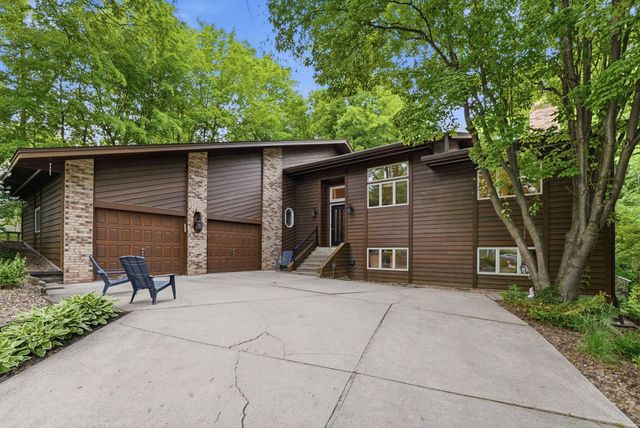 Sold
Sold
709 Northwood Drive Delano, MN 55328
$439,900

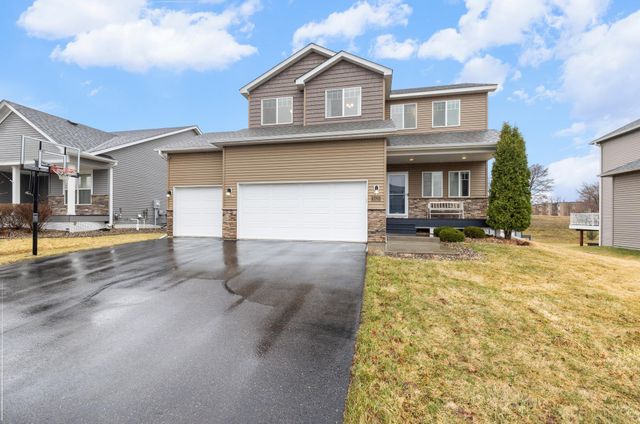 Sold
Sold
5521 Wisconsin Avenue N New Hope, MN 55428
$499,900
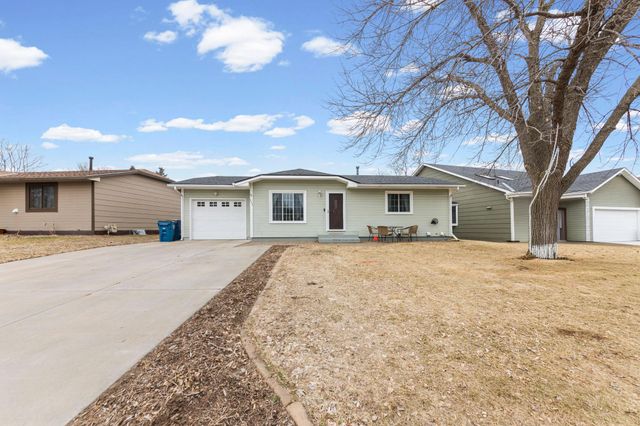 Sold
Sold
543 Jefferson Lane NW Elk River, MN 55330
$330,000
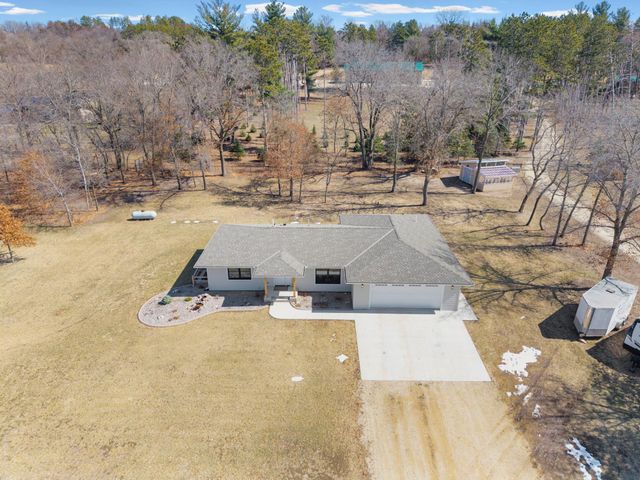 Sold
Sold
32420 59th Ave Way Cannon Falls, MN 55009
$575,000
 Sold
Sold
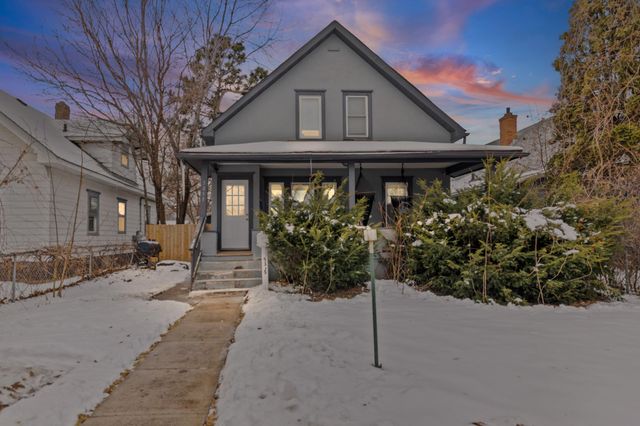
3855 Aldrich Avenue N Minneapolis, MN 55412
$250,000
 Sold
Sold
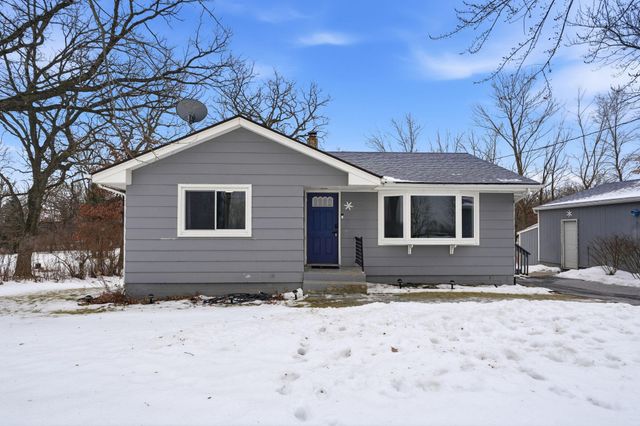
3901 230th Street E Prior Lake, MN 55372
$425,000
 Sold
Sold
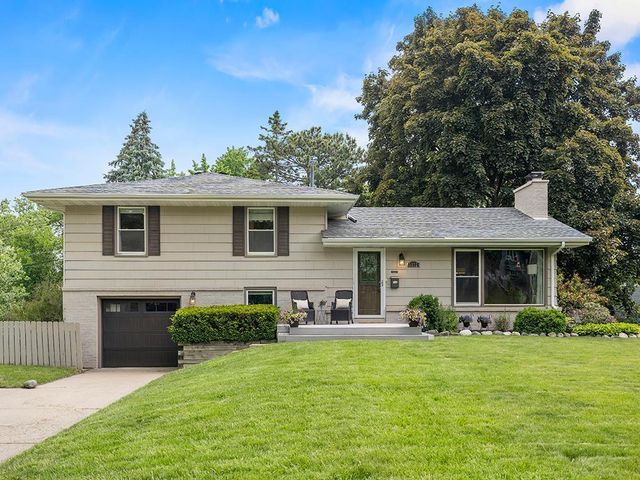
2272 Overlook Drive Minneapolis, MN 55431
$395,000
 Sold
Sold
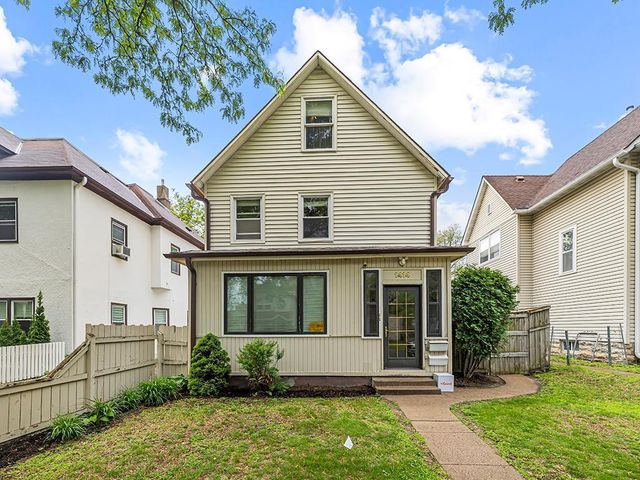
1414 Grand Street NE Minneapolis, MN 55413
$475,000
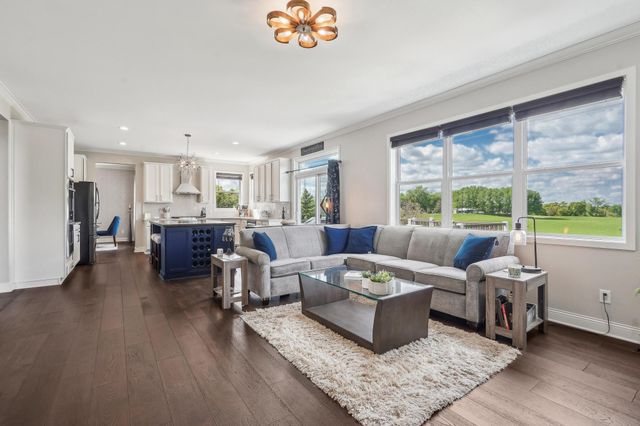 Sold
Sold
13543 Athena Way Rosemount, MN 55068
$595,000
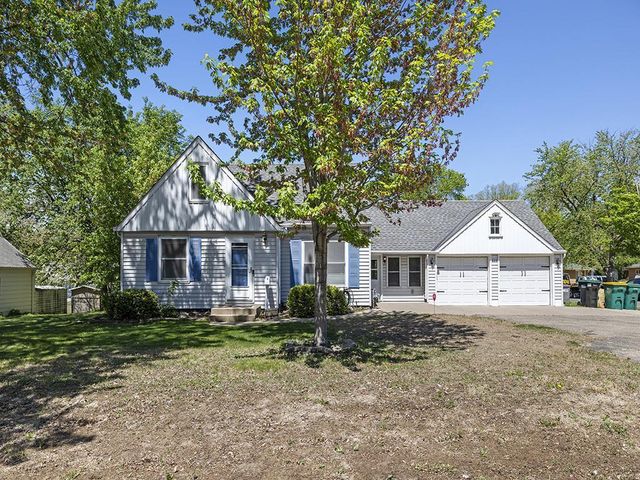 Sold
Sold
220 E 66th Street Richfield, MN 55423
$375,000
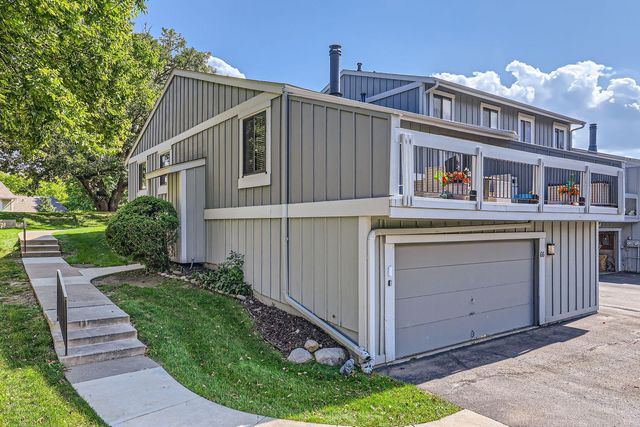 Sold
Sold
110966 Von Hertzen Circle Chaska, MN 55318
$279,000
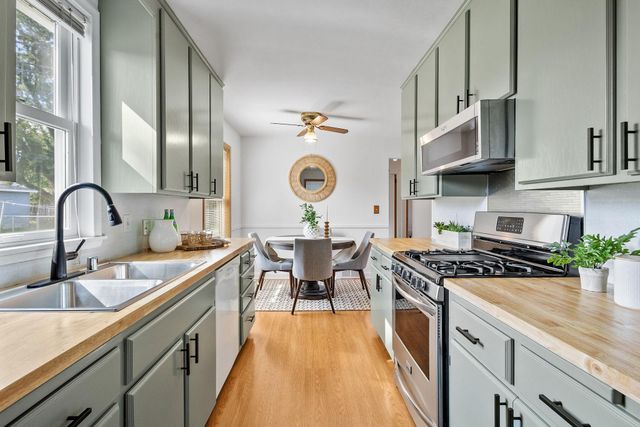 Sold
Sold
7514 Oakland Avenue Richfield, MN 55423
$339,000
There is no automatic rule that one person simply gets the house. The outcome usually depends on the agreement, the mortgage, the equity, and whether one person can realistically afford the home after the divorce.
Yes, one spouse may be able to keep the house if they can qualify, handle the payment, and complete whatever refinance or transfer steps are needed. CJ Norman and Katy Norman can help you think through whether keeping the home looks practical from the real estate side before you commit to that path.
Sometimes selling is the cleanest option, especially when affordability is tight, equity needs to be divided, or both people want a cleaner financial break. In the Minneapolis–Saint Paul market, timing, condition, and price point can also shape whether selling is the smartest move.
You should get clarity on that early because wanting the house and qualifying for it are not the same thing. This is where CJ Norman and Katy Norman can help connect the housing conversation to the right next step, including a divorce mortgage specialist when that is the missing piece.
No, not every divorce starts with or requires a traditional attorney-led process. Many people begin with a mediator, divorce coach, or collaborative approach while they work through housing, finances, and next steps.
A divorce mortgage specialist helps people understand whether one spouse can qualify, how support income may be treated, what timing matters, and how mortgage planning fits into the larger divorce process. That guidance can help avoid agreements that look workable on paper but fall apart later.
You usually need to look at both together because the housing decision and the mortgage decision affect each other. CJ Norman and Katy Norman can help you sort through whether selling, keeping, or staging the decision over time makes the most sense based on your situation.
Sometimes yes, but it depends on how the income is structured, documented, and timed. That is one reason it helps to talk through the mortgage strategy before decisions are finalized.
Common mistakes include assuming one person can keep the home without checking qualification, waiting too long to talk through the numbers, and making a decision based only on emotion instead of long-term affordability. In a stressful season, early clarity usually prevents expensive cleanup later.
Start with a practical conversation that helps you understand your options without adding pressure. CJ Norman and Katy Norman can help you sort through the real estate side and point you toward the right mortgage conversation if keeping the home is still on the table.

CJ & KATY NORMAN
Address
Mound, MN 55364 | 7645 Metro Blvd Edina, MN 55439
CJ NORMAN
KATY NORMAN

The data relating to real estate for sale on this web site comes in part from the Broker Reciprocity Program of the Regional Multiple Listing Service of Minnesota, Inc. Real estate listings held by brokerage firms other than Pemberton RE in Minnesota are marked with the Broker Reciprocity logo or the Broker Reciprocity thumbnail logo (little black house) and detailed information about them includes the name of the listing brokers. The broker providing these data believes them to be correct, but advises interested parties to confirm them before relying on them in a purchase decision. © 2026 Regional Multiple Listing Service of Minnesota, Inc. All rights reserved By searching, you agree to the End User License Agreement. Digital Millennium Copyright Act (DMCA) Notice The Digital Millennium Copyright Act of 1998, 17 U.S.C. 512 (the "DMCA"), provides recourse for copyright owners who believe that material appearing on the Internet infringes their rights under U.S. copyright law. If you believe in good faith that any content or material made available in connection with our website or services infringes your copyright, you (or your agent) may send us a notice requesting that the content or material be removed, or access to it blocked. Notices and counter-notices should be sent in writing by mail to Michael Bisping, Director, Customer Relations, Regional Multiple Listing Service of Minnesota, Inc, 2550 University Avenue West, Suite 259S Saint Paul, MN 55114 or by email to mbisping@northstarmls.com. Questions can be directed by phone to 651-251-3200.
© 2026 CJ NORMAN. Powered by RealSavvy